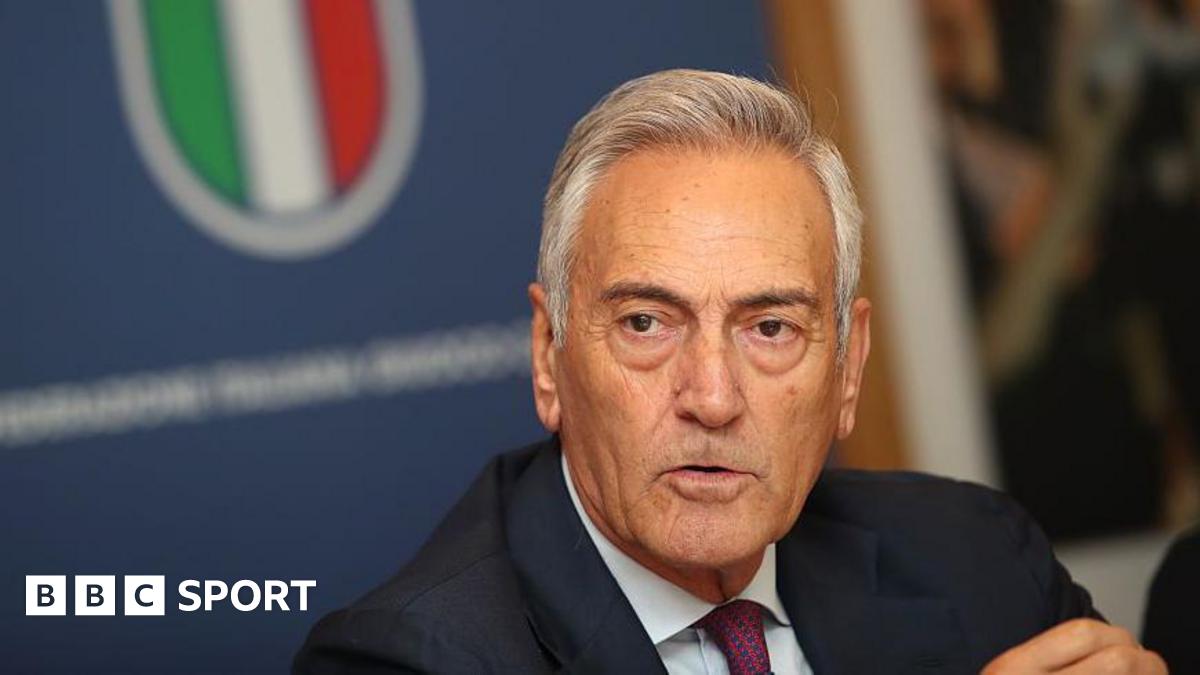
Gabriele Gravina has resigned from his position as the president of the Italian Football Federation (FIGC) following Italy's failure to qualify for the 2026 FIFA World Cup. The decision comes amidst a period of disappointment for Italian football, as the national team failed to secure a spot in the upcoming tournament for the third consecutive time.
Under Gravina's leadership, the FIGC faced numerous challenges, including managing the national team's performance and navigating the complexities of international competitions. Despite efforts to revitalize Italian football, the team’s recent performances did not meet expectations, culminating in their failure to qualify for the 2026 World Cup.
The resignation marks a significant turning point for Italian football administration. Gravina's departure is seen as an attempt to initiate reforms and restore confidence among fans and stakeholders. The federation has yet to announce a successor, but the move signals a desire for change within the organization.
In addition to Gravina's resignation, former goalkeeper Gianluigi Buffon has announced his departure from the national team. Buffon, a legendary figure in Italian football, has been a prominent presence in the national squad for many years. His exit symbolizes the end of an era and reflects the broader sense of transition within Italian football.
The failure to qualify for the 2026 World Cup has sparked widespread criticism and introspection within Italy. Many fans and analysts are calling for a comprehensive review of the national team's development programs and coaching strategies. The FIGC faces the challenge of rebuilding the team’s competitiveness ahead of future international tournaments.
As Italy looks toward the future, the focus will be on restructuring and implementing new strategies to regain their status as a top football nation. The federation's leadership change is just the beginning of what many hope will be a renewed effort to elevate Italian football to new heights.